
AI Model Prima Diagnoses Brain MRIs in Seconds
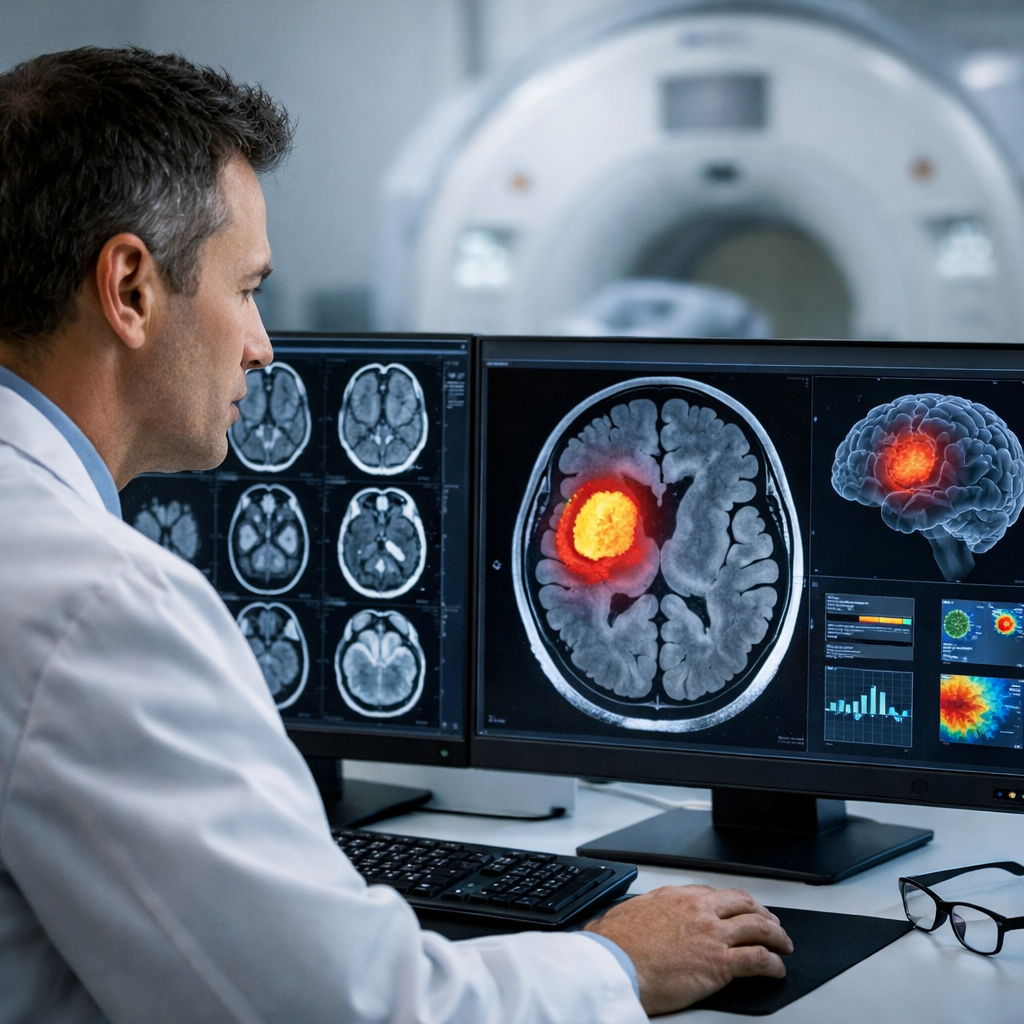
In a groundbreaking development, a new artificial intelligence model named Prima is set to revolutionize the field of neuroradiology. Developed by Dr. Todd Hollon and his team at the University of Michigan Health, this advanced AI vision language model can diagnose brain MRIs in mere seconds, significantly alleviating the strain on healthcare systems. With the ability to process patient histories and imaging data, Prima is poised to enhance diagnostic accuracy while streamlining clinical workflows.
Transforming Neuroimaging with AI

Prima has been rigorously tested on over 30,000 MRI studies over the course of a year and has consistently outperformed existing state-of-the-art AI models across more than 50 neurological diagnoses. This impressive performance is crucial, as neurological conditions often require rapid diagnosis and treatment. For urgent cases, such as strokes or brain hemorrhages, Prima can automatically alert the appropriate subspecialty providers, ensuring that timely medical intervention is possible. 'Accuracy is paramount when reading a brain MRI, but quick turnaround times are critical for timely diagnosis and improved outcomes,' said Yiwei Lyu, M.S., co-first author and postdoctoral fellow of Computer Science and Engineering at U-M.
How Prima Works
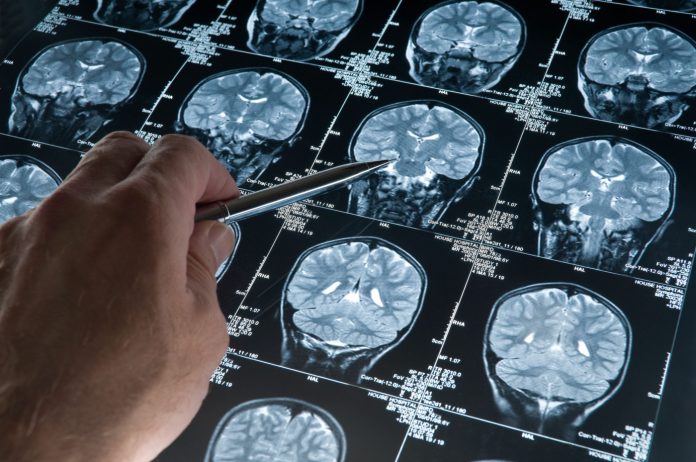
Prima is not simply another AI tool; it is a sophisticated vision language model capable of processing video, images, and text in real time. Unlike previous AI models that relied on manually curated subsets of MRI data, Prima was trained on an extensive dataset comprising over 200,000 MRI studies and 5.6 million sequences collected at University of Michigan Health since the digitization of radiology began decades ago. This comprehensive training enables Prima to integrate patient histories with imaging data, effectively mimicking a radiologist's comprehensive understanding of patient health. 'Prima works like a radiologist by integrating information regarding the patient’s medical history and imaging data to produce a comprehensive understanding of their health,' explained Samir Harake, a data scientist in Hollon’s Machine Learning in Neurosurgery Lab.
Addressing Healthcare Challenges

The introduction of Prima comes at a critical time when healthcare systems are facing significant challenges, including workforce shortages and diagnostic delays. With the ability to provide rapid and accurate diagnoses, Prima has the potential to address these issues effectively. As healthcare demands continue to grow, especially in rural hospitals where access to specialized neuroradiology services may be limited, the scalable potential of Prima could play a vital role in improving patient outcomes. Researchers also plan to integrate more detailed patient information into the model in the future, potentially adapting it for other imaging modalities beyond MRIs.
Conclusion
The development of Prima represents a significant advancement in the intersection of artificial intelligence and healthcare. By enabling faster and more accurate diagnoses of neurological conditions, this AI model not only enhances the efficiency of clinical workflows but also holds the promise of improving patient care. As the healthcare landscape evolves, innovations like Prima could play a crucial role in alleviating strains on medical systems and addressing the growing demand for timely and effective diagnostic services.