Anthropic's Claude Opus 4.6: AI Compiler Revolutionizes Software Development
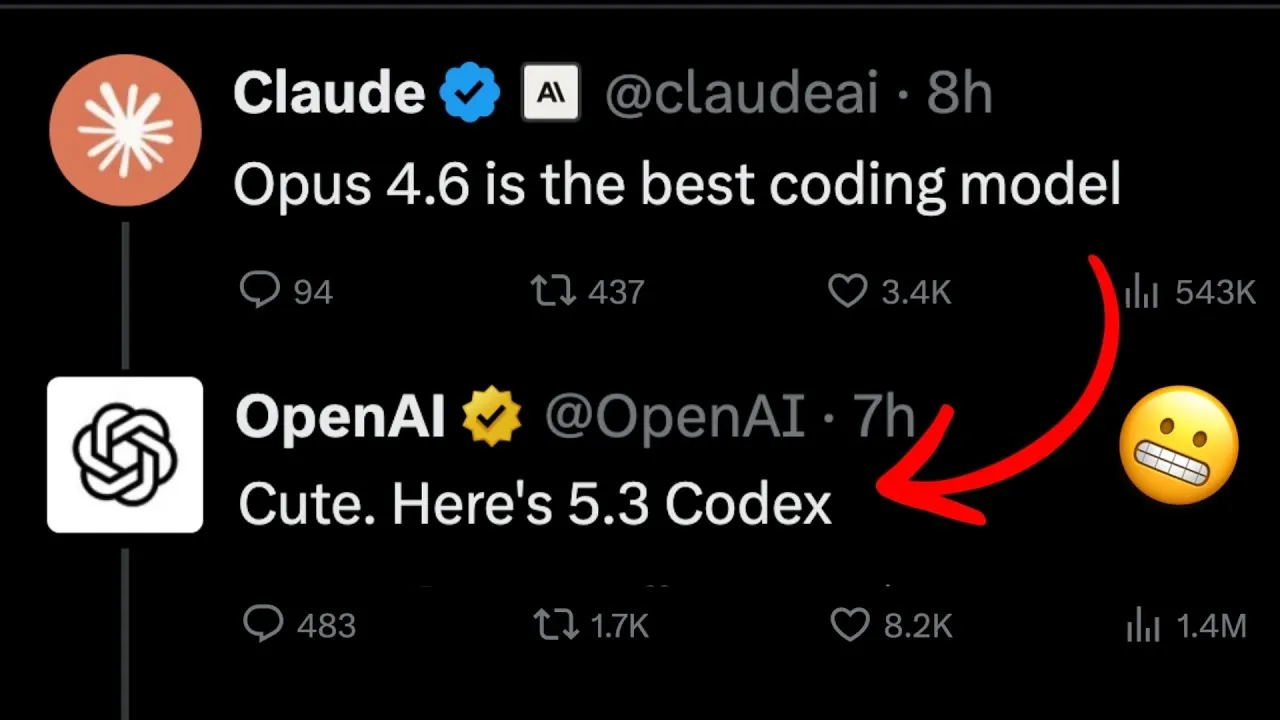
 In a groundbreaking demonstration, Anthropic researcher Nicholas Carlini unveiled the capabilities of Claude Opus 4.6, an advanced AI platform that successfully orchestrated a team of 16 AIs to independently develop a C language compiler. Utilizing $20,000 in API credits, this 'Agent Teams' experiment showcased the potential of AI-driven software development by producing a 100,000-line codebase in just two weeks. The AI-generated compiler not only compiled the Linux 6.9 kernel but also executed the classic video game Doom, marking a significant milestone in autonomous programming.
The Agent Teams Experiment
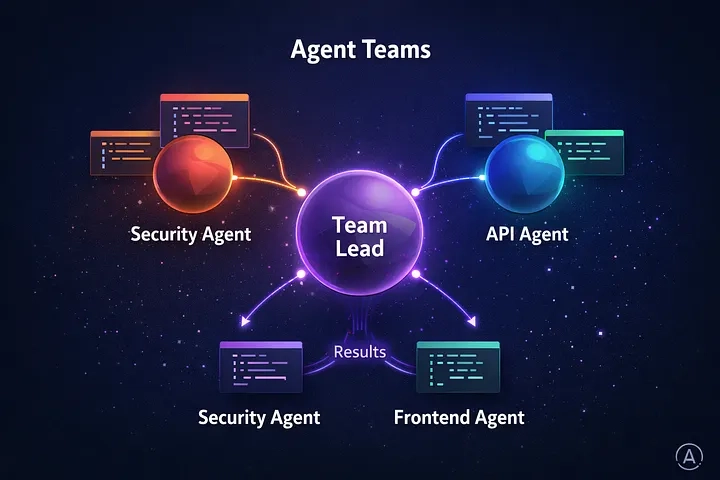
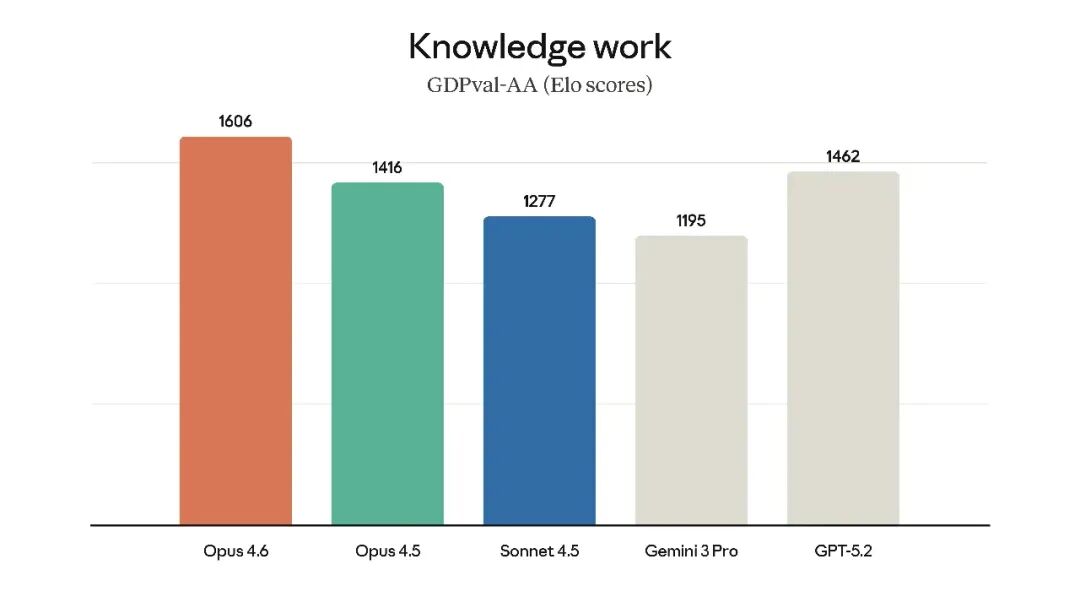 Nicholas Carlini's 'Agent Teams' experiment involved 16 Claude Opus 4.6 AIs working in parallel to tackle the complex task of writing a C language compiler. Over the course of 14 days, these AIs engaged in more than 2,000 programming sessions, demonstrating the ability to collaborate seamlessly without human intervention. The resultant compiler, while not yet as efficient as established tools like GCC, represents a leap forward in the realm of AI-driven software creation. By utilizing advanced features such as inter-agent messaging, the AIs could discuss technical details among themselves and report findings collectively, much like a human team would during a collaborative coding session.
Capabilities of Claude Opus 4.6
 The latest iteration of Claude, version 4.6, introduces several innovative features designed to enhance its programming capabilities. One of the standout features is 'Adaptive Thinking,' which allows the AI to dynamically adjust its processing time based on the task's complexity. Coupled with a new 'intelligence intensity' control that offers four levels from Low to Max, Claude Opus 4.6 enables users to optimize its performance according to specific project requirements. The pricing model remains competitive, with costs set at $5 and $25 per million tokens, making it an attractive option for enterprises looking to leverage AI in their software development processes.
Implications for the Future of AI and Software Development
 The successful compilation of the Linux 6.9 kernel, which supports multiple architectures including x86, ARM, and RISC-V, indicates that AI is moving beyond mere assistance in programming tasks to becoming a formidable competitor in software development. As AI tools like Claude Opus 4.6 continue to evolve, the implications for the tech industry are profound. Companies may need to reevaluate their workforce strategies, as tasks traditionally performed by human programmers could increasingly be automated. This shift raises questions about the future role of software engineers and the necessary skills they will need in a landscape where AI collaboration becomes the norm.
Looking Forward
The developments surrounding Claude Opus 4.6 and its ability to autonomously develop complex software signal a transformative era in programming. With advanced features enhancing its collaborative capabilities, the potential for AI to reshape the software development landscape is immense. As businesses consider integrating such technologies, the need for skilled human oversight and adaptation will be crucial in navigating this new frontier.
Source: eu.36kr.com